Fixed Operations: A Complete Guide to Understanding a Key Function of Car Dealerships
Fixed Operations: The Ultimate Guide to Mastering a Key Dealership Function
The term “fixed operations” is a cornerstone of successful automotive dealership management, serving as a critical component for ensuring efficiency and customer satisfaction. Understanding the nuances and meaning of fixed operations becomes paramount for maintaining profitability and growth within the highly competitive automotive industry. Simply put, the term fixed operations (fixed ops) refers to the parts and service departments of a car dealership, which are essential for after-sales support and customer retention.
This comprehensive guide will unravel the intricacies of fixed operations, offering insights into its meaning, importance, roles, and impact on a dealership’s performance. By exploring how these departments contribute to the success of a dealership, we aim to provide valuable knowledge for maximizing customer service and revenue potential. Whether you’re a dealership manager, service advisor, or simply curious about the inner workings of the automotive industry, this guide will equip you with a deeper understanding of fixed operations and their pivotal role in driving dealership success.
In this article, you will learn:
- What is the Meaning of Fixed Operations?
- What are Fixed Operations in a Car Dealership?
- What are Variable Operations?
- What is the Difference Between Fixed Ops and Variable Ops?
- What Does a Fixed Operations Manager Do?
- What Does a Fixed Operations Director Do?
- What is a Fixed Operation?
- How to Make a Service Department More Profitable?
- How Do You Make Gross Profit Higher?
What is the Meaning of Fixed Operations?
Fixed Operations refers to the service and parts departments in a dealership, which play a crucial role in the overall success of the business. These departments are vital because they ensure that the dealership has a consistent revenue stream, even when vehicle sales might experience fluctuations due to market conditions or seasonal changes.
- Service department (maintenance & repairs)
- Parts department (inventory & supply)
- Generates consistent revenue, even when vehicle sales fluctuate
- Provides stability during seasonal or market changes
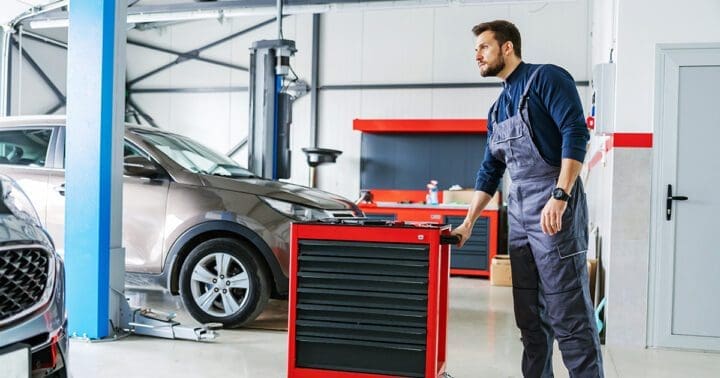
As a fundamental pillar of dealership sustainability and growth, Fixed Operations focuses on providing not just reliable but also highly knowledgeable service to customers. This means that skilled technicians, who are constantly trained and updated on the latest automotive technologies and best practices, work diligently to address a wide range of customer needs. Their expertise ensures that vehicles are kept in optimal condition, thus enhancing their longevity and performance.
In addition to having skilled technicians, maintaining robust parts inventories is another key aspect of Fixed Operations. A well-stocked parts department allows for timely repairs and reduces vehicle downtime for customers, which is crucial for maintaining customer satisfaction. When customers experience minimal wait times for repairs and receive high-quality service, it fosters loyalty and encourages them to return to the dealership for future services and purchases.
Ensuring exceptional customer service doesn’t just lead to satisfied customers; it also creates a ripple effect that can lead to positive word-of-mouth recommendations and reviews, further enhancing the dealership’s reputation in the community. By excelling in these areas, dealerships can develop a balanced business model that thrives regardless of external factors affecting the sales department. This approach provides long-term stability and prosperity by securing a steady income stream that supports overall business growth and resilience.
What are Fixed Operations in a Car Dealership?
Fixed operations (fixed ops) encompass all the services provided by a car dealership that do not involve direct sales of vehicles. This includes the service department, parts department, and body shop. The fixed operations meaning originates from these consistent, non-transactional services that generate a steady revenue stream and frequent repeat business, independent of car sales fluctuations. They are vital to a dealership’s long-term success, often accounting for a significant portion of its profit margins.
A deeper dive into the components of fixed operations, the service and parts departments, reveals how they collectively contribute to a dealership’s success.
What does the Service Department do?
The service department is responsible for regular maintenance and repairs, offering services such as oil changes, brake inspections, and engine diagnostics. Trained technicians keep vehicles running properly and safely by performing diagnostics and recommending repairs. Vehicles covered under warranty are also serviced for recalls and repairs in the service department.
What does the Parts Department do?
The parts department ensures high-quality OEM parts are available for repairs and services performed by technicians, preventing delays and enhancing efficiency. Inventory management within the parts department is a key function to maintain the right level of parts in stock and order what is needed.
What are Variable Operations?
Opposite to fixed operations are variable operations. The term variable operations refers to the aspects of a dealership that fluctuate with vehicle sales. This includes the sale of new and used cars, financing, and insurance products. In essence, variable operations dealership strategies focus on maximizing revenue through transactions directly tied to automotive sales in the new and used vehicle departments.
The variable operations automotive sector is dynamic and heavily influenced by market trends, consumer preferences, and economic conditions, making it a more volatile component of dealership operations and profitability.
More generally, promotional events often drive variable operations, such as holiday sales or end-of-year clearance events, designed to boost vehicle turnover. Marketing strategies can play a crucial role here, with dealerships leveraging online platforms, traditional media, and community events to attract potential buyers. The ability to adapt quickly to market shifts and consumer demands is essential for success in variable operations.

What is the Difference Between Fixed Ops and Variable Ops?
The primary distinction between fixed ops and variable ops lies in their nature and revenue generation methods. Fixed ops involve stable, ongoing services like maintenance and repairs, which provide consistent income. In contrast, variable operations meaning revolves around the sale of vehicles, which can vary significantly based on external factors. Understanding what is the difference between fixed ops and variable ops car dealerships is crucial for balancing the deaerlship’s overall business model, ensuring both stability and growth potential.
In practice, the relationship between fixed and variable operations can significantly affect a dealership’s financial performance. For example, a dealership may experience a slump in vehicle sales due to economic downturns but can offset these losses through a well-managed service department. Conversely, during periods of high vehicle sales, the service department can benefit from increased vehicle warranty work and customer traffic, highlighting the symbiotic relationship between these operational segments.
Fixed Operations Vs. Variable Operations in Automotive
Fixed operations
The parts and service departments, encompassing the body shop and warranty sales, are part of fixed operations. These operations are more stable and recurring, making them easier to forecast.
Variable operations
The new and used vehicle departments, along with the finance, insurance, and warranty sales divisions, all contribute to variable operations. These operations are subject to volatility, fluctuating with sales and inventory levels.
What Does a Fixed Operations Manager Do?
A fixed ops manager plays a crucial role in a dealership, overseeing all aspects of the service and parts departments. Their responsibilities include:
- Managing staff: A Fixed Operations Manager typically oversees the daily operations of hiring, training, and performance management.
- Ensuring high customer satisfaction: Ensuring high customer satisfaction involves providing reliable service performed by knowledgeable technicians. This commitment helps build trust and loyalty, essential for maximizing repeat business.
- Driving departmental profitability: The financial responsibility of a fixed operations manager includes budgeting, pricing, and monitoring profitability.
The fixed operations manager is pivotal, ensuring that the service and parts departments run smoothly and contribute to the dealership’s financial health. Their expertise helps bridge the gap between customer service and operational efficiency.
One of the key challenges for a fixed ops manager is balancing the need for high-quality service with cost-effective operations. This often involves implementing training programs for technicians to ensure they are up-to-date with the latest automotive technologies and repair techniques. Additionally, managers must develop pricing strategies that are competitive yet profitable, often involving complex calculations of labor costs, parts pricing, and market rates.
What Does a Fixed Operations Director Do?
Different than a Fixed Operations Manager, the fixed operations director holds a more strategic position, focusing on long-term planning and cross-departmental coordination. They work closely with a General Manager to develop and implement strategies to enhance productivity, improve customer retention, and increase profitability.
Fixed operations careers often see directors working closely with other departmental heads to align goals and ensure cohesive dealership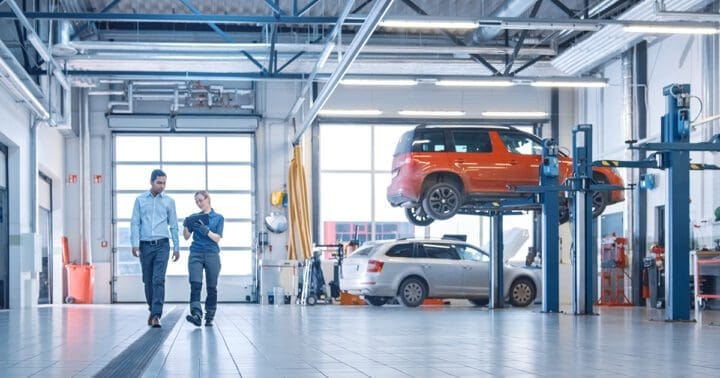 operations. By analyzing industry trends and financial reports, the director ensures the dealership remains competitive and continuously improves its service offerings.
An effective fixed operations director must be adept at data analysis, utilizing customer feedback and performance metrics to make informed decisions. They often spearhead initiatives to integrate new technologies, such as automated service scheduling systems or customer relationship management software, to streamline operations and enhance service delivery. Additionally, they play a crucial role in negotiating with suppliers and vendors to secure favorable terms that benefit the dealership’s bottom line.
What is a Fixed Operation?
A fixed operation refers to any service provided by a dealership that is not directly linked to vehicle sales. This encompasses a wide array of services such as routine maintenance, like oil changes and tire rotations, more extensive repairs involving engine or transmission work, the sale of parts and accessories, and body shop services for collision repairs. Fixed operations are crucial for building customer relationships and fostering loyalty, as these services ensure that customers return to the dealership for their varied automotive needs. In this way, they act as a vital component for customer retention strategies.
The emphasis on fixed operations allows dealerships to secure a reliable and consistent revenue stream, which is crucial for financial stability, especially in a market where car sales can be unpredictable and fluctuate with economic conditions. Furthermore, fixed operations serve as a key touch point for customer engagement, offering numerous opportunities for dealerships to demonstrate their unwavering commitment to quality and service excellence.
This aspect of operations is particularly important in fostering long-term relationships with customers. When customers have positive experiences with the dealership’s service department, they are more likely to return for future vehicle purchases, feeling assured that they are in trustworthy hands. Investing in comprehensive customer service training and implementing satisfaction surveys can yield dividends in terms of customer loyalty and repeat business, building a solid foundation for ongoing success. By prioritizing these aspects, dealerships can effectively differentiate themselves in a competitive market, ensuring that their clients always choose them first for their automotive needs.
What are the Operations of a Car Dealership?
Like any business, car dealerships operate a complex system of interrelated departments, each serving a specific function. These include:
- Sales Department: This team is dedicated to selling both new and used vehicles, ensuring customers find the perfect car to meet their needs. They provide assistance throughout the entire purchasing process, offering expert advice and support.
- Service Department: Responsible for providing maintenance and repair services, this department ensures that vehicles remain in optimal condition. They handle everything from routine check-ups to complex repairs, using the latest technology and expertise.
- Parts Department: Specializes in selling automotive parts and accessories. Whether customers need replacement parts or are looking to enhance their vehicles, this department offers a wide range of products to suit various needs and preferences.
Finance and Insurance (F\&I): Offers tailored financing solutions and insurance products to make vehicle ownership more accessible and secure. They work with customers to find suitable financial plans and insurance coverage to protect their investment. - HR Department: Manages recruitment, training, and employee welfare, ensuring a motivated and skilled workforce. They handle everything from hiring to professional development, fostering a positive work environment.
- Customer Service Department: Dedicated to addressing customer inquiries and resolving issues, this department strives to enhance the overall customer experience. They provide support and assistance, ensuring customer satisfaction at every touchpoint.
- Sales and Marketing Department: Focuses on promoting the dealership’s vehicles and services, utilizing various marketing strategies to reach potential customers. They work on brand building and customer engagement to drive sales and business growth.
Each department plays a vital role in the overall success of the dealership, with fixed and variable operations working together to maximize profitability and customer satisfaction. In addition to these core departments, many dealerships also engage in community outreach and marketing initiatives to enhance their brand reputation and attract new customers. By hosting car clinics, sponsoring local events, or offering educational workshops, dealerships can position themselves as integral parts of their communities.

How to Make a Service Department Profitable
Service Department profitability is crucial for dealerships, offering significant revenue opportunities. To simplify the process of making a service department more profitable, there are four steps to consider when getting started.
Step 1: Review your Effective Labor Rate (ELR) to understand its complexities, mainly due to varied service pricing across categories like Competitive, Maintenance, and Repair. The definition of Effective Labor Rate is simply the average selling price for a flat rate hour. Customer Pay ELR is calculated by taking total Customer Pay Labor Sales and dividing by the total Customer Pay Flagged Hours. It is an important metric and should therefore be closely monitored daily.
Step 2: Establish the “Perfect Price” to optimize pricing strategies. Because pricing decisions require time and market research, the strategy of many managers is to set prices once and “hope for the best.” However, such a policy risks profits that are elusive or not as high as they could be.
Step 3: Increase Price Compliance to ensure pricing strategies are followed. In steps 1 and 2, we defined ELR, discussed how to analyze this complex metric, and reviewed how to optimize selling prices. Once your prices are established, it is critical to monitor that these are the prices actually charged to your customers. Because you are selling a service, you have only your Technician’s available time to sell. If you have 500 hours available, you can only sell 500 hours. Therefore, the amount of discounts you give to customers can make a huge difference in your profitability.
Step 4: Optimize Technician Capacity for better service management. This can include training advisors to provide a better word track to the customers, particularly when dealing with more complex estimates that require a clear and concise explanation. Additionally, optimizing their time spent performing repairs involves streamlining processes, improving efficiency, and ensuring that high-quality work is completed in a timely manner. By focusing on these areas, businesses can enhance customer satisfaction and operational effectiveness.
In addition to these strategies, dealerships are increasingly turning to digital tools and analytics to further enhance service department profitability. For example, predictive maintenance software can help identify potential vehicle issues before they become serious problems, allowing service departments to proactively address them and increase customer satisfaction. Additionally, online booking systems and mobile apps can improve customer convenience and reduce administrative burdens, freeing up staff to focus on service delivery.
How Do You Make Gross Profit Higher?
Increasing gross profit in a dealership involves optimizing both fixed and variable operations. To make gross profit higher, focus on three key strategies: enhancing quality, optimizing sales, and expanding capacity.
 First, ensure the quality of both technical work and customer experience. This can be achieved by continuously improving technicians’ skills through regular training and certification programs. Encourage open and clear communication with clients to build trust and ensure all parties are on the same page. This approach helps avoid misdiagnoses and reduces the likelihood of rework, while also enhancing overall customer satisfaction, leading to repeat business and positive referrals.
Second, optimize sales by adopting a preventive maintenance approach and developing a comprehensive service invitation process. Educate customers about the importance of regular maintenance and the range of services offered, whether through newsletters, workshops, or personalized consultations. Target both new and returning clients, tailoring sales processes to meet individual needs and preferences. Implementing a customer relationship management system can help track interactions and personalize future engagement.
Finally, increase capacity by evaluating technician performance and facility efficiency. Regularly assess the workflow, identifying any bottlenecks or inefficiencies, and make necessary adjustments. Develop a robust plan that forecasts labor and parts revenue, ensuring your service center can handle demand efficiently without compromising on quality.
Consider investing in updated tools and equipment to increase the speed and accuracy of service processes. By balancing these drivers, you can effectively boost your service center’s gross profit, ultimately contributing to the overall profitability and success of the dealership.
Conclusion
Fixed operations are the backbone of a successful car dealership, providing significant stability and profitability while fostering strong customer loyalty. This area encompasses crucial services such as parts and service departments, which contribute to consistent revenue streams beyond initial vehicle sales. As the automotive industry continues to evolve with changing technologies and customer expectations, mastering and enhancing these operations becomes increasingly critical. Dealerships that focus on optimizing fixed operations not only ensure financial stability but also build long-lasting relationships with their customers by offering reliable and efficient service. To gain deeper insights into specific aspects of fixed operations or advanced strategies for dealership success, explore our related articles and resources. From improving service efficiency to implementing cutting-edge technology, equip your dealership for excellence by prioritizing fixed operations today, ensuring long-term growth and a competitive edge in the market.
This article explored various facets of fixed operations, including:
- The Meaning of Fixed Operations
- Fixed Operations in a Car Dealership
- Understanding Variable Operations
- Differences Between Fixed Ops and Variable Ops
- Roles of a Fixed Operations Manager
- Duties of a Fixed Operations Director
- Defining a Fixed Operation
- Strategies to Enhance Service Department Profitability
- Techniques to Increase Gross Profit
For further insights and to connect with our team of experts, visit our website or contact us directly. Unlock your dealership’s potential start optimizing your fixed operations now with the help of Dynatron Software. Dyantron Software makes running your Fixed Ops easier and more profitable. Our PriceSmart solution digests DMS data making it actionable for optimizing price, maximizing ELR, and improving profitability.