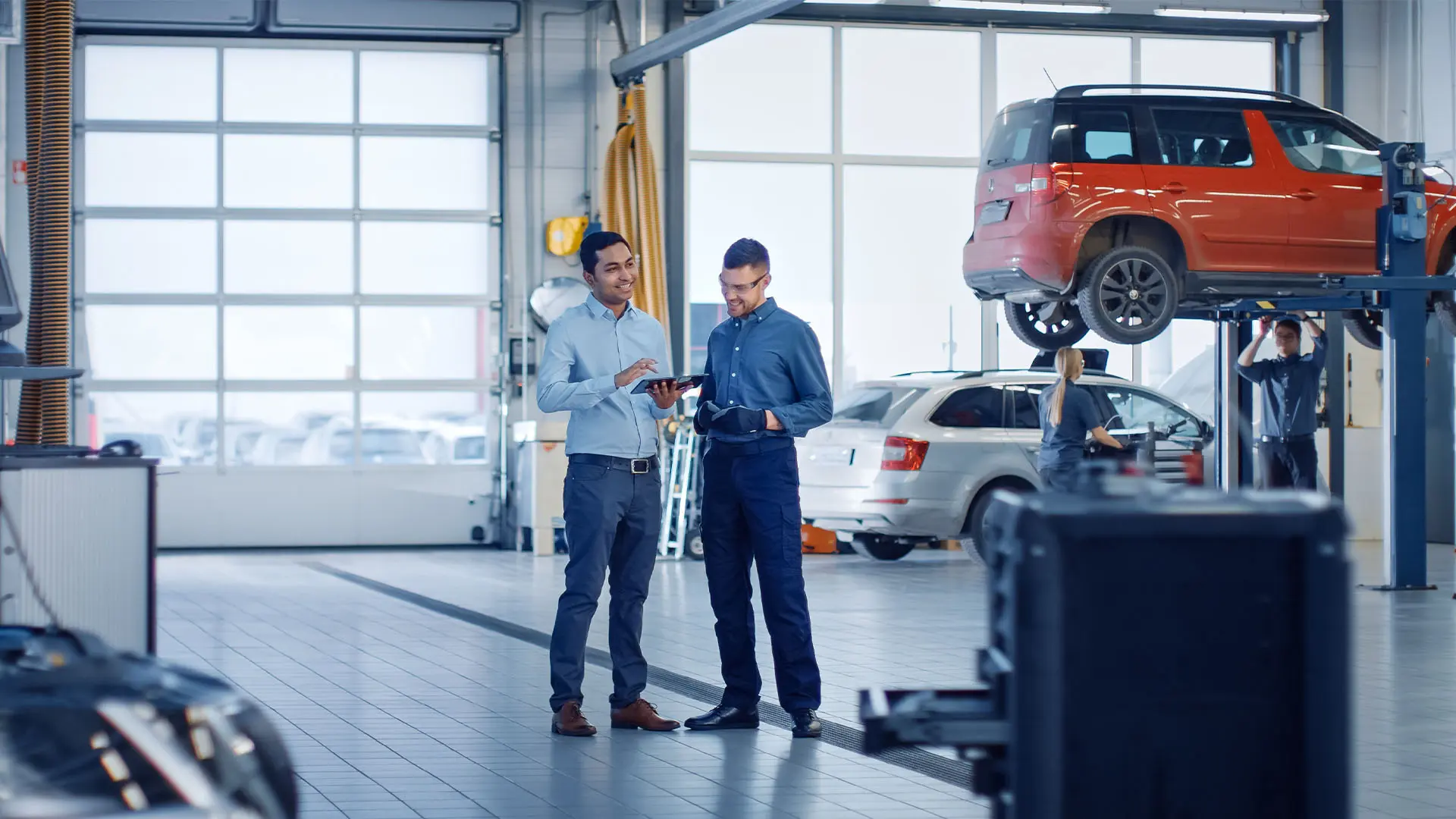

Understanding Dealership Operations
Dealership operations are multifaceted, involving various departments that work together to achieve success. At the heart of dealership operations are fixed ops and variable ops, two essential aspects that require careful management. Fixed ops, also known as back-end operations, refer to the departments that deal with maintenance, repair, and other services provided to customers after they have purchased a vehicle. Variable ops, on the other hand, refer to the departments that deal with selling vehicles to customers, such as sales, finance, and marketing. Effective dealership operations require a deep understanding of both fixed ops and variable ops, as well as the relationship between them. A successful dealership must balance the needs of both departments, ensuring that customers receive excellent service and generate revenue through vehicle sales and service operations.
Which of the Following Departments Are Considered Part of Variable Operations?
Variable operations focus on revenue by selling vehicles, including streams associated with the selling of new and used vehicles, financing, and add-ons. Specifically, the departments that fall under variable operations include:- Sales Departments (New and Used Cars): This includes the sale of vehicles, which is typically one of the dealership’s largest revenue-generating sectors.
- Finance and Insurance (F&I): These operations include securing loans or leases for customers and selling extended warranties or insurance add-ons.
- Accessories and Add-ons: Revenue from up-sells like custom wheels, detailing packages, accessories, or upgraded sound systems also falls into variable operations.
What is the Difference Between Fixed Ops and Variable Ops?
The terms “dealership operations fixed ops” and “variable ops” often come up in discussions about dealership structure. Understanding variable operations in a dealership and fixed operations functions is crucial for every dealership manager or principal. While variable operations focus on sales and revenue generation, while fixed operations focus on the departments that consistently generate service revenue, regardless of fluctuating car sales. Fixed operations usually include the service department, parts sales, and body shop (or collision department). The main differences between the two can be summarized as follows:- Revenue Type:
- Variable Ops: Revenue depends on customer purchases and fluctuates based on market demand.
- Fixed Ops: Revenue is more consistent, driven by vehicle maintenance needs and parts replacement.
- Customer Lifecycle:
- Variable Ops: Targets new customers for high-ticket purchases (vehicles and financing).
- Fixed Ops: Focuses on retaining existing customers for repeat service work.
What Does a Fixed Operations Manager Do at a Dealership?
 While variable operations handle dealership sales, the fixed ops manager plays a vital role in ensuring the fixed operations in a car dealership run smoothly. This includes managing service, parts, and collision repair departments to ensure each department operates efficiently. Their key responsibilities are:
- Revenue Optimization: Fixed operations managers focus on ensuring optimal pricing strategies for parts, labor, and services. For example, solutions like Dynatron’s PriceSmart help managers address pricing compliance and maximize ELR (effective labor rate).
- Customer Retention: Service departments often serve repeat customers, having built loyalty and establishing rapport over time. Managers maintain high service standards to ensure customer loyalty, leading to consistent revenue over time.
- Data-Driven Performance Management: With the help of a Fixed Ops partner like Dynatron Software, managers analyze data to identify areas of improvement and unlock hidden revenue opportunities.
- Team Oversight and Training: Ensuring that service advisors and technicians receive proper training is critical.
What Are Variable Operations?
At their core, variable operations are responsible for a dealership’s profitability through direct vehicle-related transactions. The fixed operations meaning contrasts with variable operations, because it provides revenue stability, while variable ops drive gross revenue through customer purchases like cars, warranties, and finance options, significantly impacting the customer experience. To make the most of variable operations:- Employ experts in sales and financing. Skilled professionals at every sales point—from the showroom floor to F&I—are critical to closing deals and maximizing revenue.
- Invest in market analytics. By understanding market trends, dealerships can price vehicles and extended warranties competitively to capture more customers.
- Streamline operations. Tools that facilitate faster approvals and clearer customer communication in F&I reduce inefficiencies.
Key Performance Indicators (KPIs) for Dealerships
To measure the success of dealership operations, it’s essential to track key performance indicators (KPIs) that relate to both fixed ops and variable ops. Some critical KPIs for dealerships include:- Service Order Efficiency: This measures the efficiency of the service department in completing repair orders and generating revenue.
- Invoicing Delays: This tracks the number of open repair orders pending payment or invoicing, which can impact cash flow and customer satisfaction.
- Technician Productivity: This measures the productivity of technicians in completing repair orders and generating revenue.
- Total Direct Internal Costs: This tracks the internal costs associated with the fixed operations department, such as warranties, repeat repairs, and lost billable hours.
The Partnership Between Manufacturers and Dealerships
 The partnership between manufacturers and dealerships is a critical aspect of the automotive industry. Manufacturers provide dealerships with vehicles, parts, and support, while dealerships sell and service those vehicles. This partnership is essential for the success of both parties, as manufacturers rely on dealerships to sell their products, and dealerships rely on manufacturers for inventory and support.
A strong partnership between manufacturers and dealerships requires open communication, trust, and a shared commitment to customer satisfaction. Dealerships must work closely with manufacturers to ensure that they are meeting their sales and service targets, while manufacturers must provide dealerships with the support and resources they need to succeed.
The partnership between manufacturers and dealerships is a critical aspect of the automotive industry. Manufacturers provide dealerships with vehicles, parts, and support, while dealerships sell and service those vehicles. This partnership is essential for the success of both parties, as manufacturers rely on dealerships to sell their products, and dealerships rely on manufacturers for inventory and support.
A strong partnership between manufacturers and dealerships requires open communication, trust, and a shared commitment to customer satisfaction. Dealerships must work closely with manufacturers to ensure that they are meeting their sales and service targets, while manufacturers must provide dealerships with the support and resources they need to succeed.
Best Practices for Dealership Operations
To achieve success in dealership operations, it’s essential to follow best practices that prioritize customer satisfaction, efficiency, and revenue growth. Some best practices for dealership operations include:- Implementing a customer-centric approach to sales and service, focusing on building long-term relationships with customers.
- Investing in technology and training to improve efficiency and productivity in both fixed ops and variable ops.
- Developing pricing strategies that balance revenue goals with customer affordability and satisfaction.
- Fostering a culture of collaboration and communication between different departments, including sales, service, and parts.
- Monitoring KPIs and making data-driven decisions to optimize operations and improve profitability.